
Hybrid vs Gasoline Cars in 2027:
Which One Should You Buy?
Published: September 22nd, 2027
How do you choose what fuel source is best for you?
Thinking about your next car? Choosing between a hybrid and a traditional gasoline model used to be a no-brainer. Gas cars were cheaper, hybrids offered better mileage, and EVs were still niche. But heading into 2027, the math has shifted again , gas prices spiked sharply in 2026, hybrids are more available than ever, and a new AAA study found hybrids now cost less to own annually than gas models in several vehicle classes. In this post, we'll break it all down and help you decide which one makes the most sense for you.
What's a Hybrid?
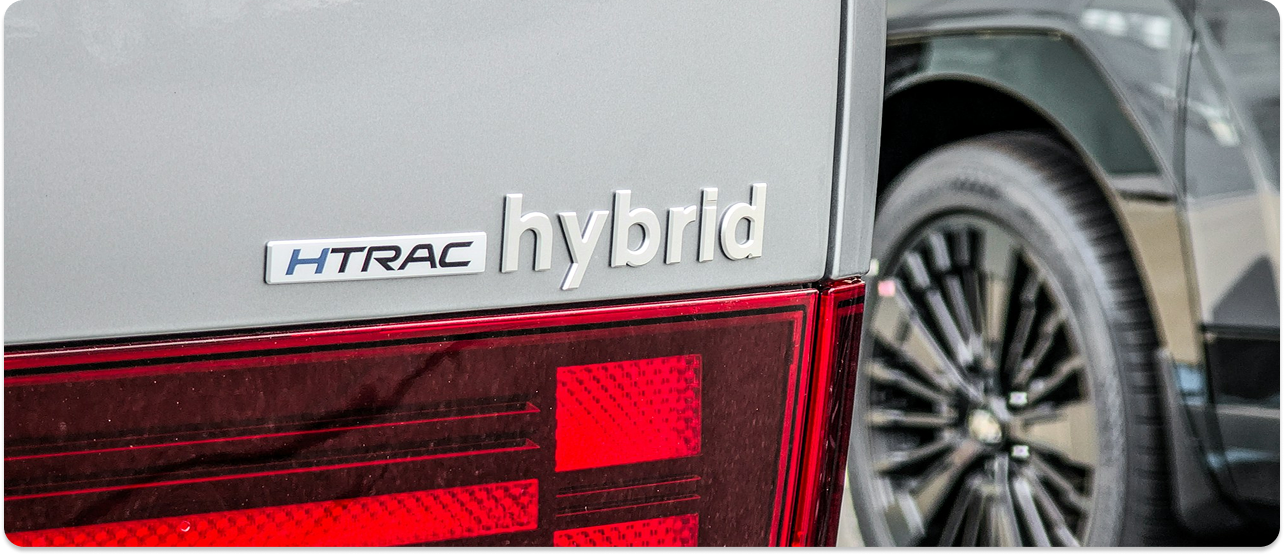
A hybrid vehicle combines a gasoline engine and an electric motor that work together to power the car. It can run on electric power at low speeds or when idling and uses regenerative braking to recharge the battery. That means the gas engine doesn't have to work as hard, improving fuel efficiency and reducing emissions. This article gives a great overview of how hybrid systems save money and gas.
Why Hybrids Are Gaining Momentum
Car makers are betting big on hybrids, and the trend has only accelerated. Toyota's electrified sales (hybrid, plug-in hybrid, and EV combined) topped 50% of its U.S. lineup in 2025 and climbed to 57% of sales by June 2026, with the company expecting that share to keep growing. Across the broader U.S. market, hybrid sales are up more than 80% since 2023 and now account for roughly 14% of all new light-vehicle sales, with forecasters projecting that share could reach 25% by 2030.
Even Honda executives have said that consumers still prefer hybrids, partly because they're more familiar and convenient than a full EV switch.
Upfront vs Operating Cost
Purchase Price
Hybrids still typically cost more upfront, though the gap varies a lot by model. A recent JATO study comparing similarly-equipped 2027 Honda CR-V trims found the AWD Sport-L Hybrid running about $3,325 more than the closest gas equivalent, the AWD EX-L. Other pairings are much closer, some 2027 CR-V hybrid and gas trims are separated by only a few hundred dollars. Note that the federal EV and plug-in hybrid tax credit expired on September 30, 2025, so that incentive is no longer part of the equation at the national level; some states still offer their own rebates, so it's worth checking what's available where you live.
Fuel and Maintenance
This is where hybrids have gotten a lot more compelling. Gas prices swung hard in 2026, spiking past $4.20/gallon in the spring amid geopolitical turmoil and still sitting around $4.08-$4.15 as of late summer, well above where 2025 started. According to AAA's 2026 Your Driving Costs study (based on an average regular gas price of $4.152/gallon), hybrids now cost less per mile to own than gas-powered models in medium sedans, compact SUVs, medium SUVs, and pickup trucks, not just at the pump, but factoring in the whole ownership picture.
How much of that gap comes down to fuel prices specifically was illustrated by that same JATO CR-V study: at January 2026's $2.81/gallon average, the hybrid's price premium would have taken roughly 159,000 miles to pay back. By May, with gas above $4.50/gallon in some weeks, that break-even point dropped to around 100,000 miles. In other words, the higher gas prices climb, the faster a hybrid pays for itself, and 2026 has trended toward the "faster" end.
Hybrids also tend to need less maintenance. Their brakes last longer because of regenerative braking, and the engine isn't constantly working hard. When something does break, hybrid-specific parts like the battery can be more expensive, but many newer hybrids come with long warranties to offset that risk.
Total Cost of Ownership
AAA's 2026 study put the average annual cost of owning and operating a new vehicle at $12,863, up from $11,577 in 2025, an increase of roughly 11% in a single year, driven largely by that fuel price spike. Within that total, hybrids came out ahead of comparable gas models in most mainstream vehicle categories, making them an increasingly easy financial call for anyone who drives regularly and keeps a vehicle for more than a few years.
Real-World Snapshot
| Category | Gasoline Cars | Hybrid Cars |
|---|---|---|
| Upfront Price | Lower in most cases. | Higher on average - premiums now range from a few hundred dollars to ~$3,300+ depending on trim. |
| Cost per Mile (2026 AAA data) | ~$0.70-$1.11 depending on vehicle class | ~$0.68-$1.07 - lower than gas in medium sedans, compact SUVs, medium SUVs, and pickups |
| Maintenance over 100k mi | Higher overall | Slightly lower |
| Insurance | Lowest average rates | Slightly higher |
| Environmental Impact | Highest tailpipe emissions. | Lower emissions, especially in city use. |
When Hybrids Make the Most Sense
- You commute in traffic or short city trips Hybrids perform best in stop-and-go driving where they can run off battery power and charge through braking.
- You can't easily charge an EV If you live in an apartment or don't have a charger at home or work, hybrids give you better efficiency without needing to plug in.
- What does your budget look like? Most hybrids still take a few years to pay back their higher sticker price through fuel savings, but with gas prices well above $4/gallon through much of 2026, that payback window has shortened considerably compared to prior years - and AAA's latest data shows some hybrids are now cheaper to own from day one.
- You want better resale value Hybrids continue to hold their value well thanks to elevated fuel prices and strong demand.
When Gas Cars Still Win
- Lowest upfront cost is the priority Gas vehicles are still generally the most affordable way to get on the road, especially for new drivers or budget-focused buyers, and the price gap on some trims is still meaningful.
- You take long highway trips Hybrids benefit less from high-speed highway driving, where regenerative braking isn't as effective.
- You have excellent access to cheap gas Gas prices vary a lot by region and were far more volatile in 2026 than in prior years - in areas that avoided the worst of the spike, the fuel-savings case for hybrids is weaker.
- You're buying a niche or performance vehicle Some trucks, sports cars, or work vehicles still only come in gas versions and may suit specific needs better.
Final thoughts
Heading into 2027, hybrids are looking less like a niche eco-conscious upgrade and more like the practical default for a lot of drivers. Automakers are leaning further into hybrid tech, gas prices spent much of 2026 well above historical norms, and AAA's own numbers now show hybrids beating gas cars on total ownership cost in several popular vehicle classes.
So, if you drive often, especially in the city, and plan to keep your car for several years, a hybrid can easily save you money - and the math has only gotten more favorable. If your priority is the lowest possible sticker price, fewer moving parts, and quick refueling anywhere, gasoline still has its place, particularly on higher-trim comparisons where the price gap remains larger.
When you're ready to compare real-world prices, use the form below to see special pricing on both hybrid and gas models. You might be surprised at how competitive hybrid pricing has become.